OpenArm 01
I built the hardware for OpenArm 01, an open-source bimanual robot arm meant to be capable without being expensive.
- Role
- Hardware design and build
- Outcome
- 4.1 kg nominal / 6.0 kg peak payload; 5.5 kg arm mass; ~$6,500 BOM
- Link
- openarm.dev
I built the hardware for OpenArm 01, an open-source bimanual robot arm meant to be capable without being expensive.
The task was to enable precise yet gentle manipulation of utensils. I designed and fabricated the end-effector so a teleoperated bartender could handle fragile bottles and glasses with a controlled grasp.
I built the first prototype of a liver biopsy robot that can sit inside an MRI scanner. Ferromagnetic parts were off the table, so the machine is 3D-printed, uses non-magnetic materials, and is driven by hydrostatic actuators.
CAD of the robot inside an MRI chamber
Master–slave prototype testing
Hydrostatic actuators are useful in MRI and haptics because they keep motors out of the field and can transmit force cleanly. I built a test rig to measure how linear they are, and how force and position track under closed-loop control.
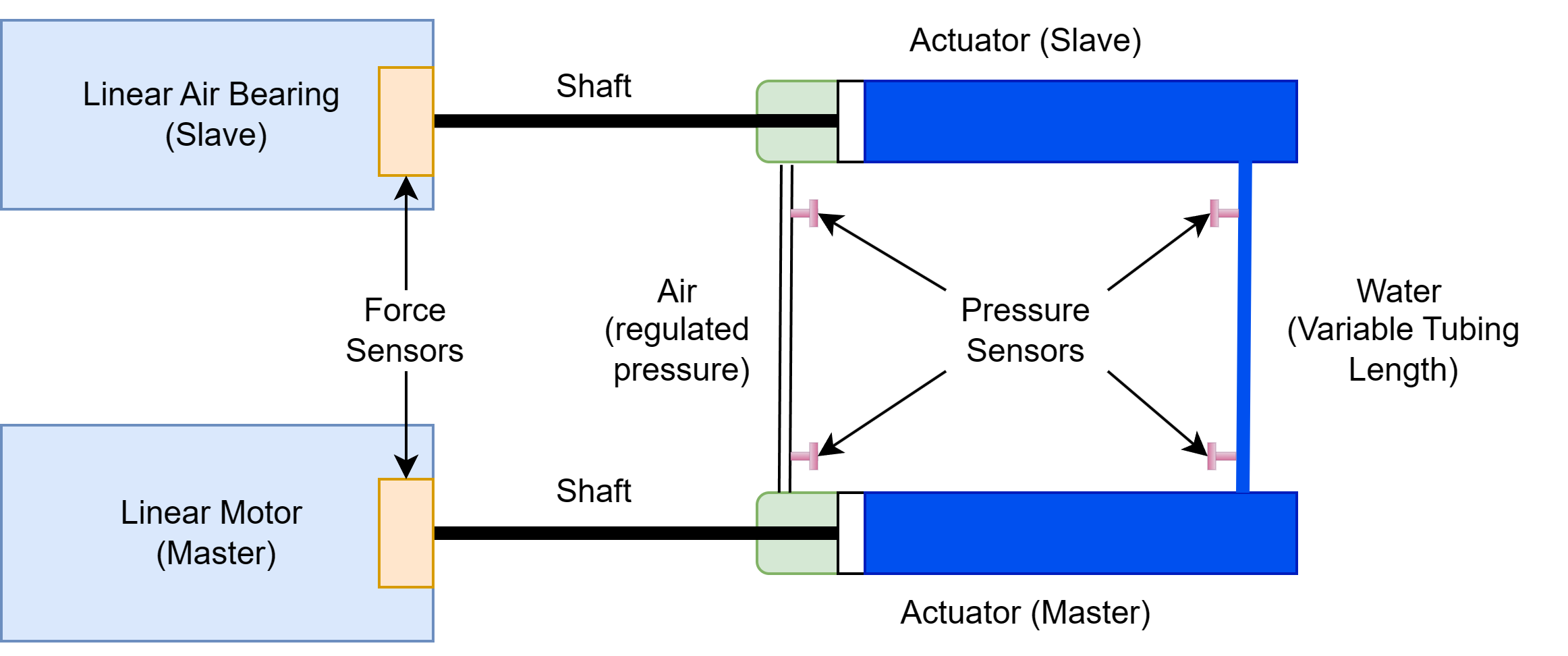
System schematic
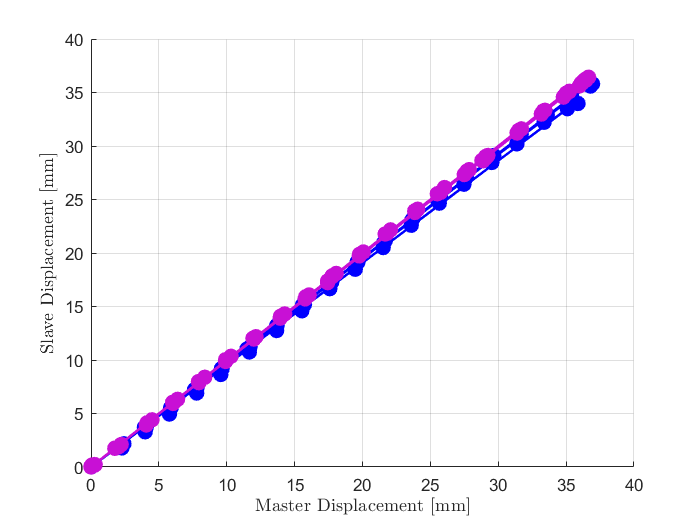
Position control data
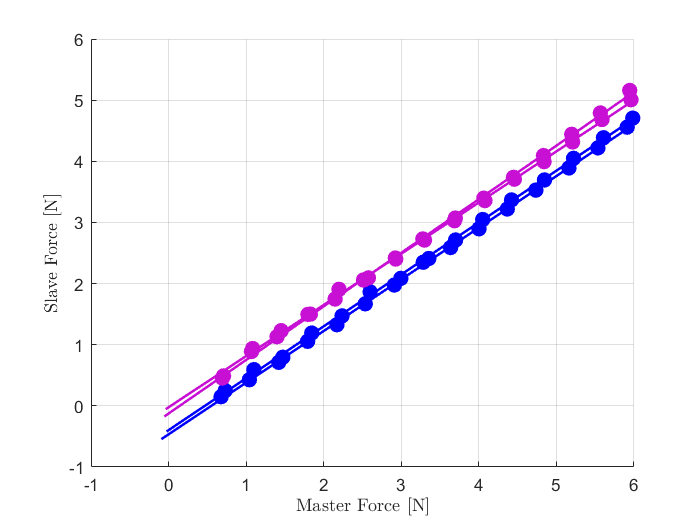
Force control data
Scanners need a repeatable stand-in for a breathing patient. I built a phantom that moves an MR-visible liver with air blowers so imaging and robot tests can happen without a human in the bore.
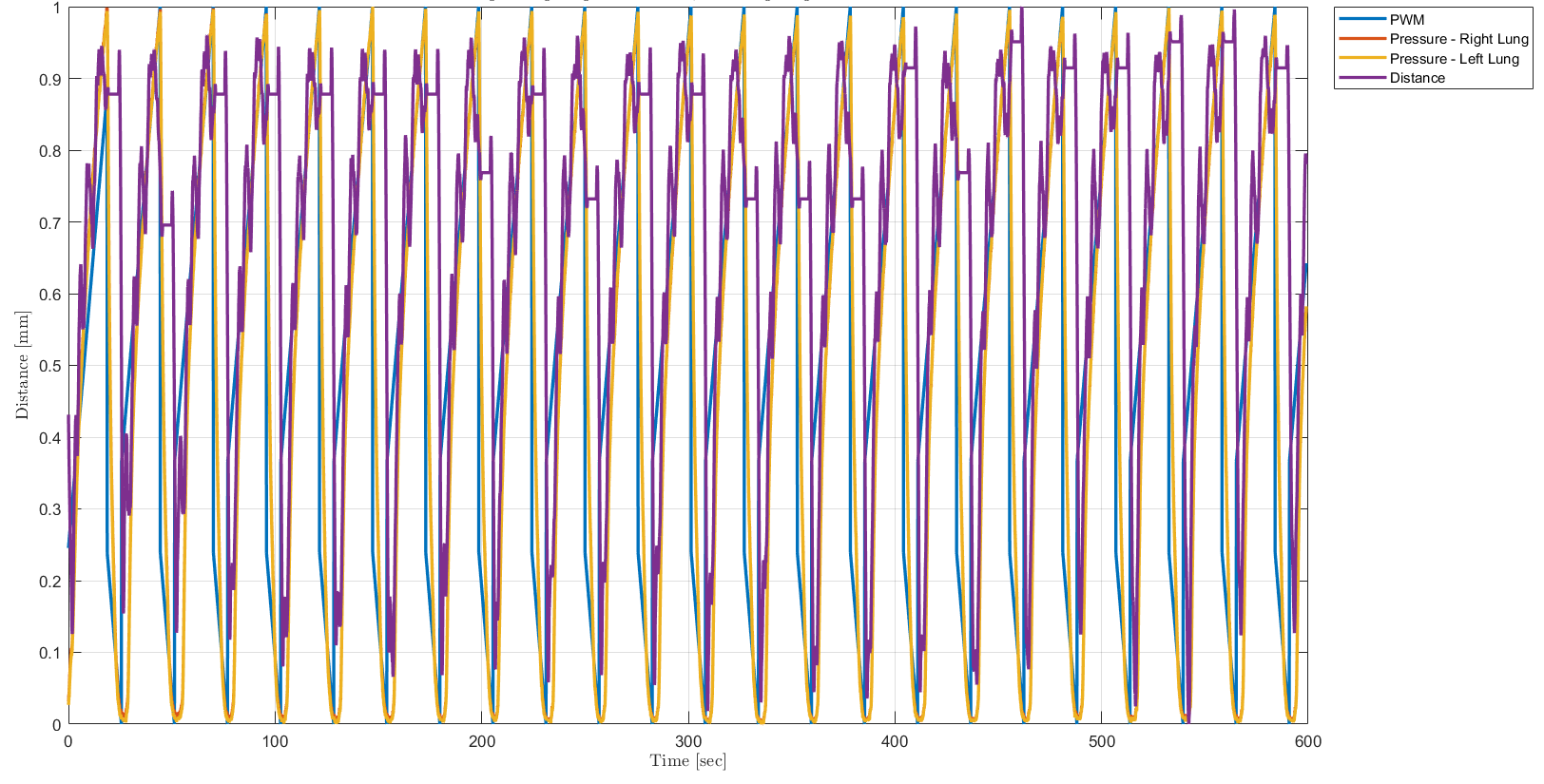
Open-loop actuation test results
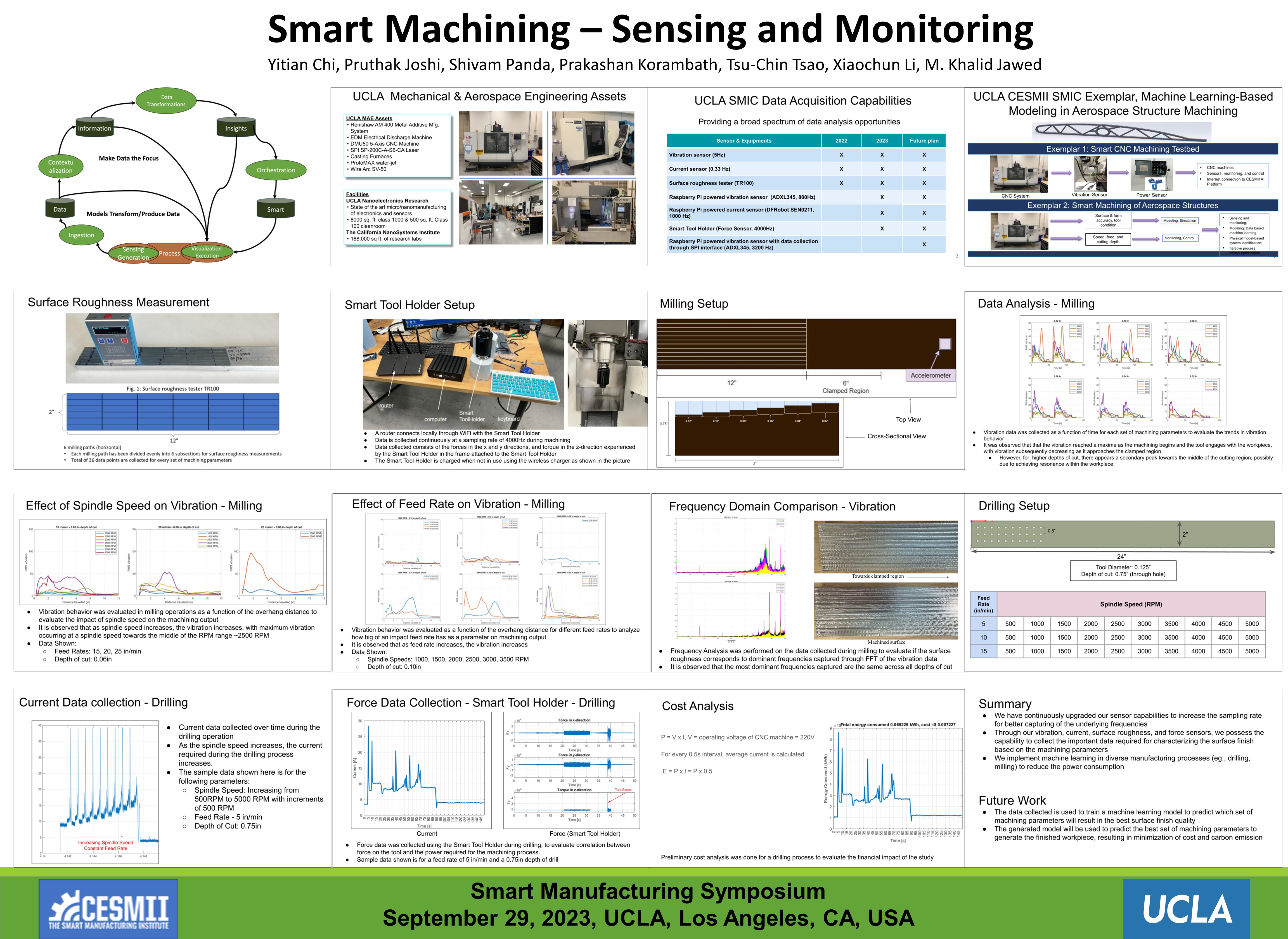
I instrumented a CNC machine with sensors during drilling and milling so the cut itself became a data source. The dataset was used to look at process diagnostics and early signs of wear for predictive maintenance.
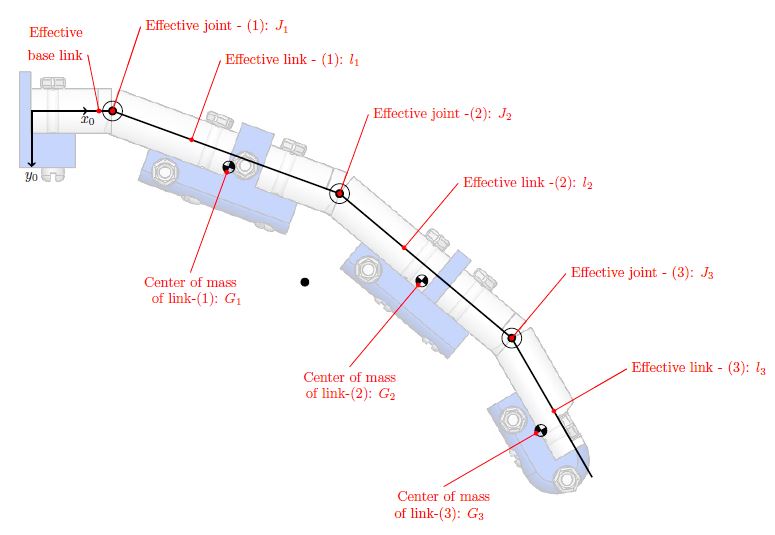
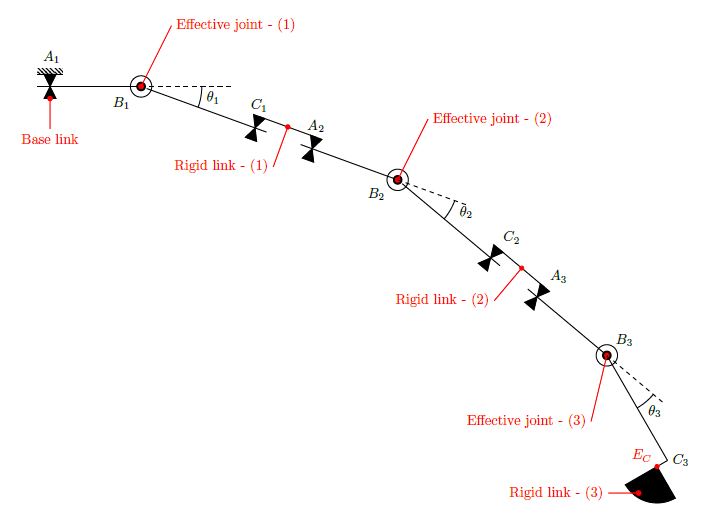
I compared the behavior of a soft-finger by tracking its motion with computer vision and matching that to two different kinematic models. The point was to see how we can model soft robots accurately by approximating them to rigid body kinematic models and approximating the joint positions and link lengths.